
Our Pests
-

Spiders
Spiders are common in Australian homes. Most are harmless and help control insects, but some, like the Redback and Funnel-web, can be dangerous.
They prefer dark, hidden areas like attics and basements for nesting and can breed quickly, causing infestations with webs and sightings.
Effective control includes cleanliness, sealing gaps, and professional assistance.
-

Ants
Ants are challenging pests to manage. They seek food and water, particularly sweets and proteins, often infesting kitchens.
Regular inspections and sealing openings are essential to prevent infestations. Consulting us directly for tailored solutions is recommended.
-

Rodents
Rodents, including species such as rats and mice, are common pests that can pose significant challenges for households and businesses alike.
Preventative measures, such as sealing cracks and gaps in structures and maintaining cleanliness in outdoor areas, are crucial to deter these pests.
Proper management not only protects your health but also maintains the integrity of your property.
-
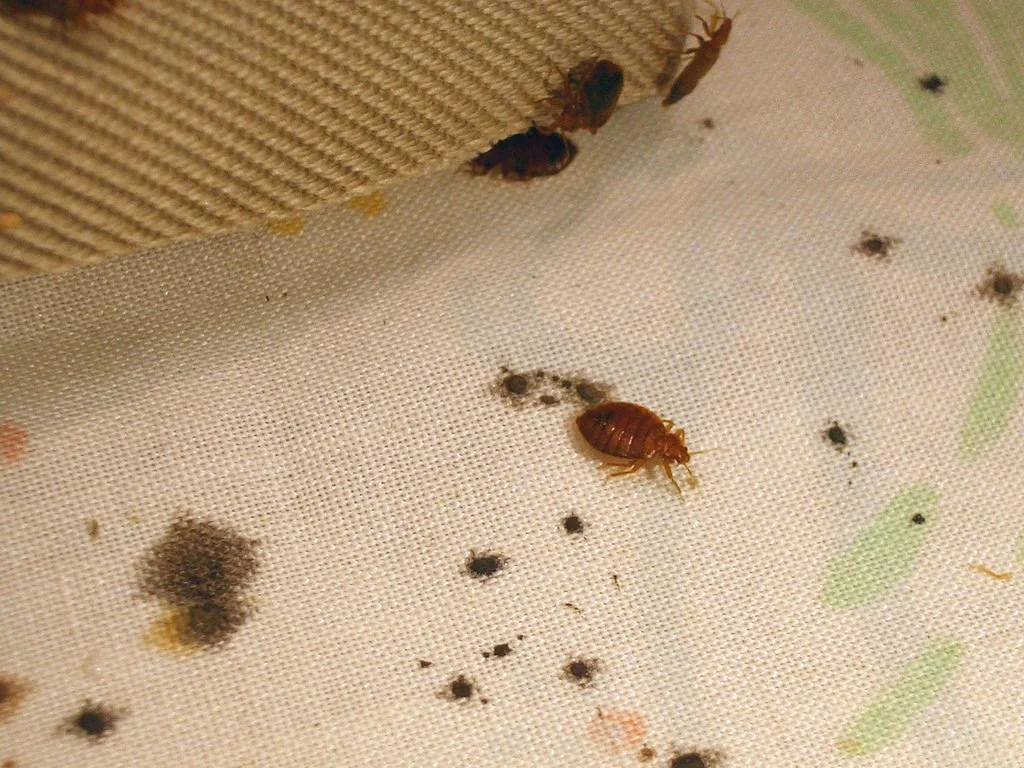
Bed Bugs
Bed bugs are small insects that feed on blood and cause discomfort. They are hard to control because they hide in mattresses, bed frames, and furniture.
While they don’t spread diseases, their bites can lead to itchy welts and allergic reactions, disrupting sleep and daily life.
It's best to use pest control services for complete removal, as bed bugs are tough and may need several treatments.
-

Stored Food Pests & Carpet Moths
Carpet moths, especially the common clothes moth, harm natural fibers in carpets, clothes, and furniture by feeding on keratin.
Food storage pests, like pantry moths and beetles, affect stored foods such as grains, nuts, and dried fruits.
Taking proactive steps and using professional pest control may be necessary for both types of pests.
-

Ticks
Ticks are small arachnids that thrive in moist, wooded, and grassy areas, making these environments prime locations for infestations.
The greatest risk posed by ticks is the transmission of pathogens that can lead to serious health issues.
Preventing tick infestations requires a combination of environmental management and personal protection strategies.
-
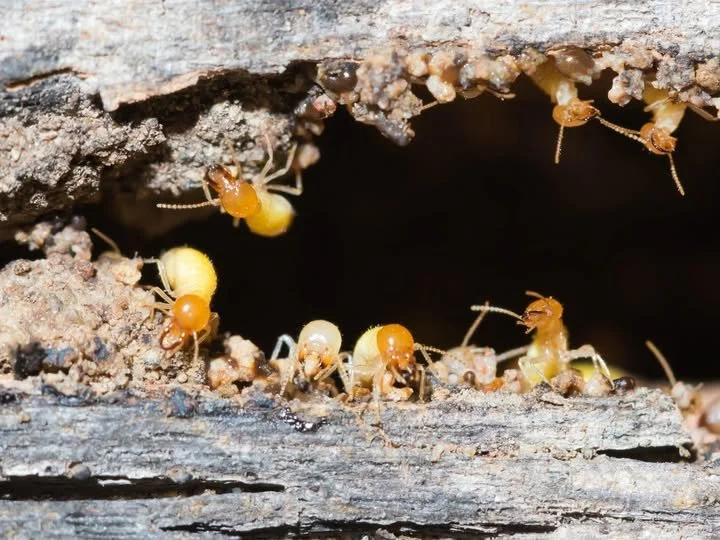
Termites & Timber Pests
A termite inspection is your primary line of defense in safeguarding your property. Regular inspecations are essential for the early detection and prevention of infestations, which can lead to significant and expensive damage.
Our team will conduct a throrough assessment of the preperty’s interior, exterior, and surrounding trees. Following the inspection, you will receive a detailed report outlining our findings along withe a recommended treatment plan to guide you on the best course of action.
-
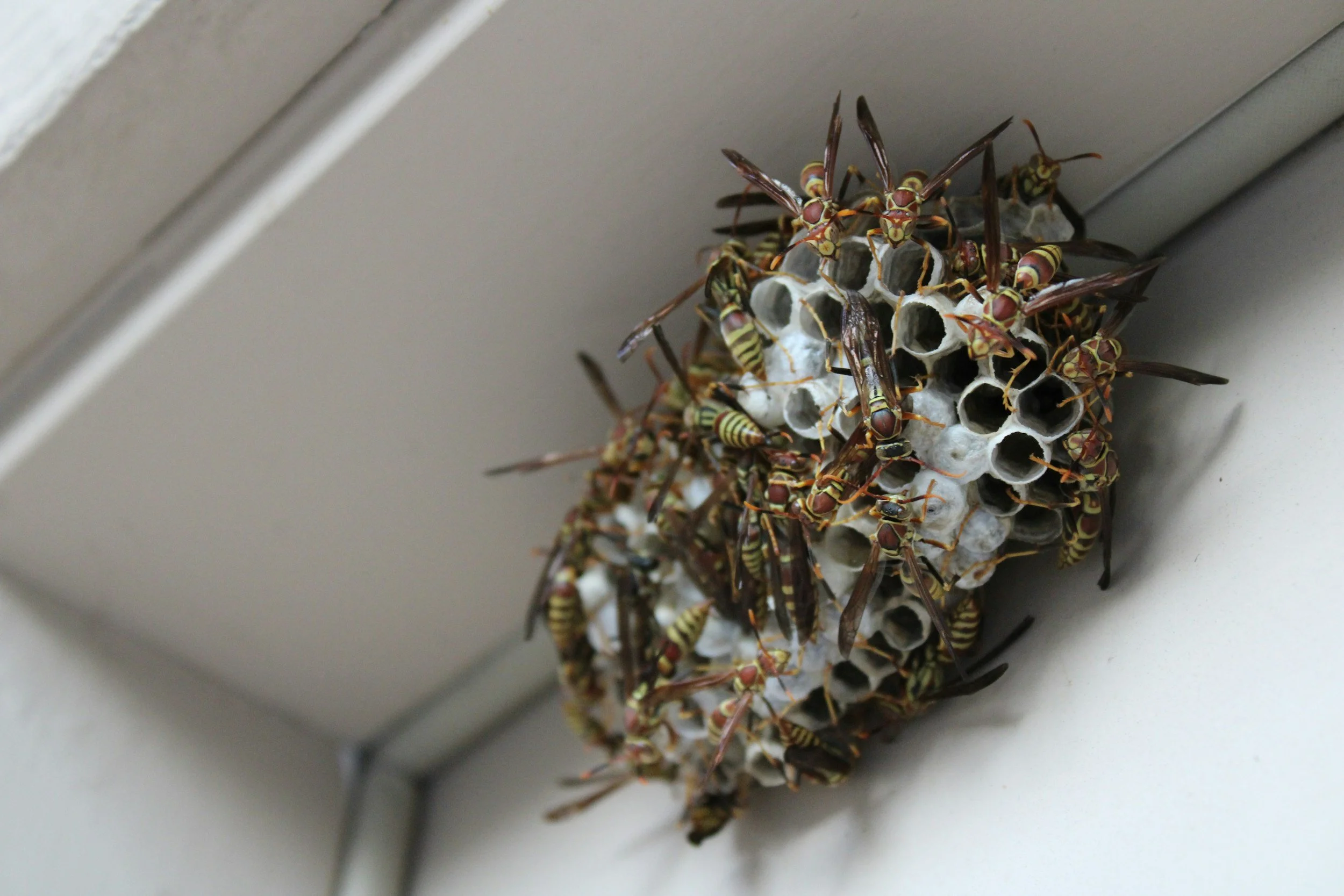
Wasps
While wasps act as natural predators that control garden pests like caterpillars and flies, they can become dangerous pests themselves when they build nests near human activity.
Professional pest control is often required to safely eliminate aggressive social wasp colonies using specialised insecticides, mitigating the risk of painful multiple stings.
-

Bees
Bees are vital pollinators that build complex colonies of wax and honey, but when they establish hives inside residential structures or high-traffic areas, professional removal becomes necessary to protect both humans and the colony.
-
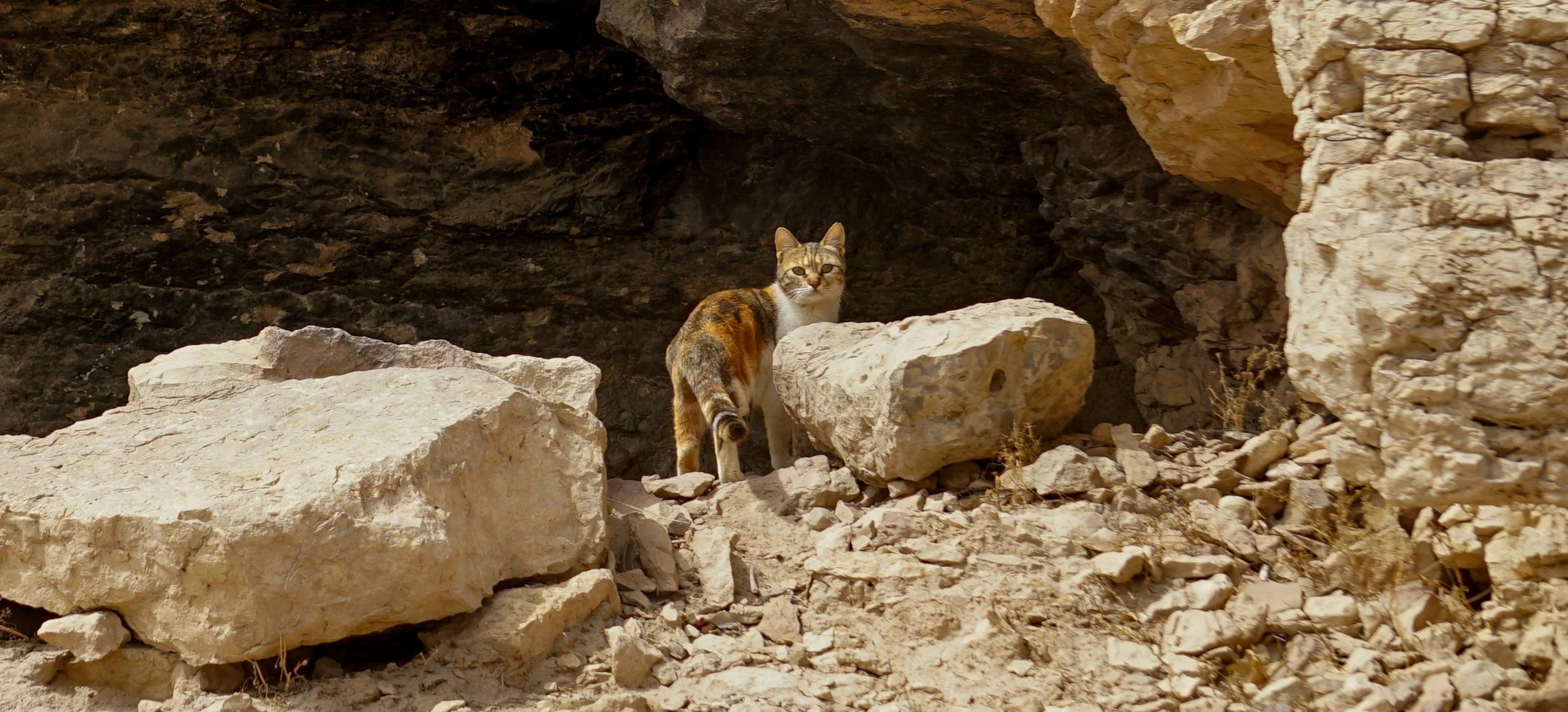
FERAL CATS
Feral cats are classified as an invasive species in Australia, lacking significant natural predators. They pose a risk to native wildlife, agriculture, and even human health. As carnivorous hunters, they primarily prey on mammals, birds, lizards, and insects, targeting any creature smaller than themselves.
Our team is equipped to trap feral cats, scan for a microchip, and transport them to the local council pound or RSPCA.
-
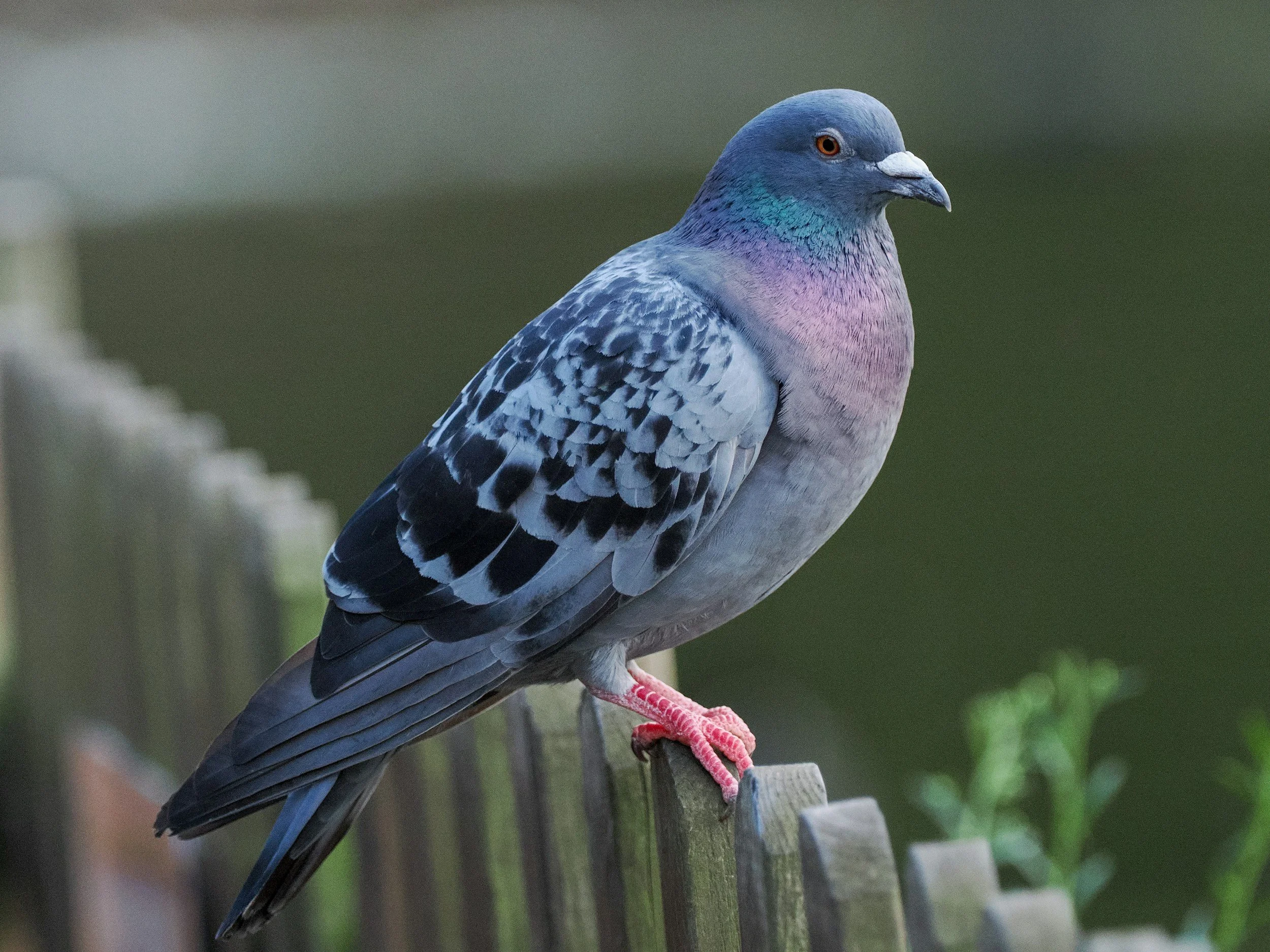
Pigeons
Pigeons can cause health hazards and property damage due to noise and droppings. To effectively manage these issues we aim to eliminate food sources, minimum nesting sites and implement bird-proofing systems.
For small populations, trapping may suffice, while larger flocks might need professional culling. Additional measures like spiked ledges or bird netting can protect areas such as solar panels and rooftops. A comprehensive strategy ensures long-term pigeon control
-
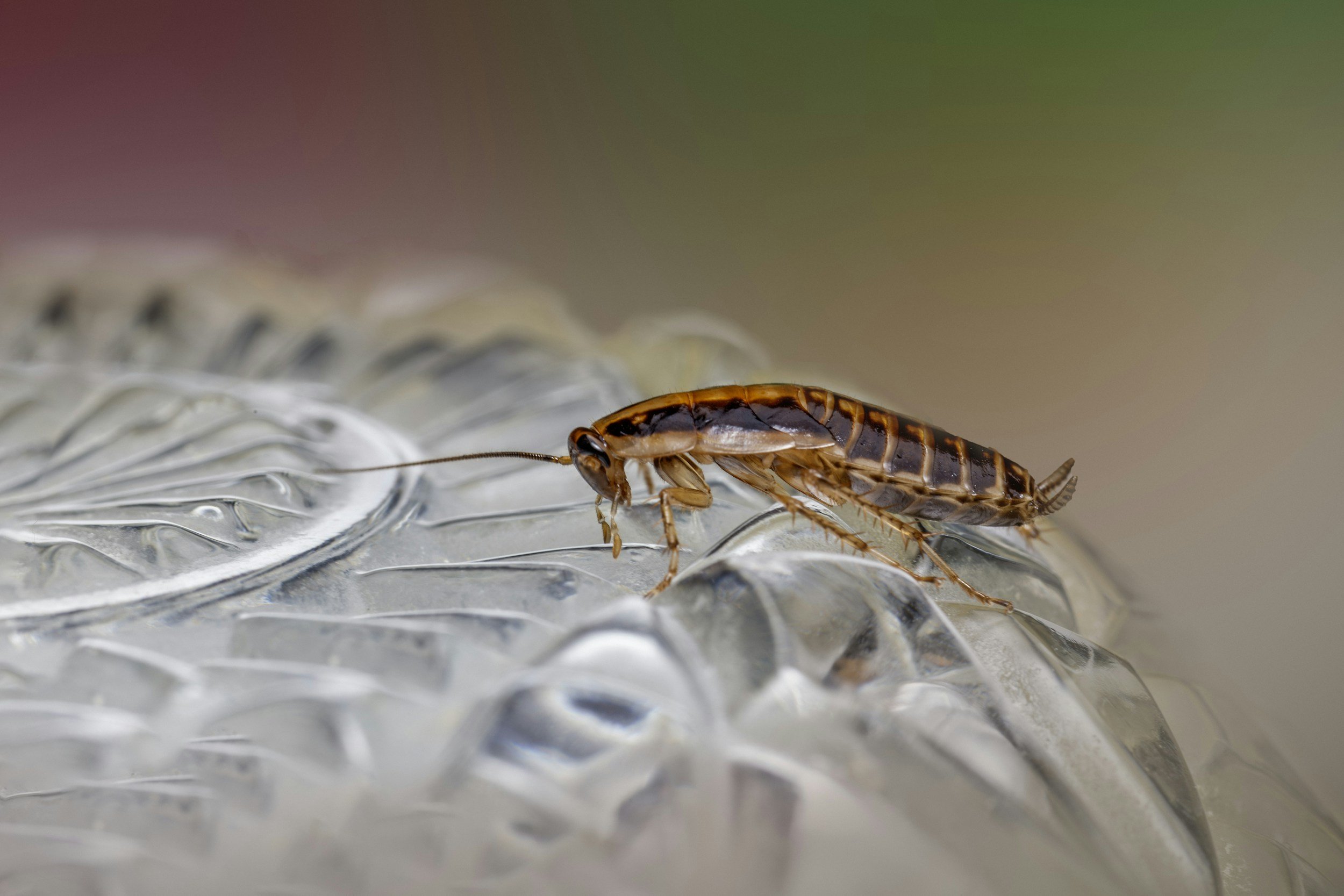
COCKROACHES
Cockroaches are a challenging pest to manage. They prefer warm, damp areas and can contaminate food and surfaces. They reproduce swiftly, making early detection crucial.
Regular inspections and sealing openings are essential to prevent infestations.